How to Choose the Right Private Tour in Barcelona
Choosing a private tour in Barcelona starts with a simple question: what do you want the day to feel like? Barcelona rewards slow attention. A Gothic Quarter walk can be quiet and detailed, while a route through Gaudí sites can feel busy and visual. A private outing works best when the route, pace, and style match the people taking part. The choice is less about finding the longest itinerary and more about shaping a day that fits your energy, interests, and time in the city.
Set the purpose before you compare routes
Begin by deciding why you want a private outing at all. Some people want a first look at the city, with landmark streets and a clear sense of how the districts connect. Others want a deeper focus, such as architecture, food, art, history, photography, or family-friendly stops. A clear purpose makes every later decision easier.
Watch for routes that try to cover too much. Barcelona has dense streets, popular sites, and long gaps between some neighborhoods. A plan that lists many attractions may look generous on paper, yet leave little time to enter a building, sit in a plaza, or ask questions. If your goal is a relaxed introduction, choose fewer stops. If your goal is specialist detail, choose a theme and keep the route tight.
It also helps to think about who is coming. Children, older travelers, people with limited mobility, and visitors who prefer a slower rhythm all need different planning. A route that involves steep lanes, stairs, or long periods standing may not suit everyone. Be honest about the group before you look at sample itineraries.
Decide where you want to stay and what you want to see
Barcelona is easy to browse in broad areas. The Gothic Quarter and El Born suit history, narrow streets, and old buildings. Eixample is known for modernist architecture and wide blocks. Montjuïc brings museums, gardens, and views. Gaudi-related sites draw many visitors, and some require timed entry. A good private tour Barcelona plan should connect the places you care about without turning the day into a race across the city.
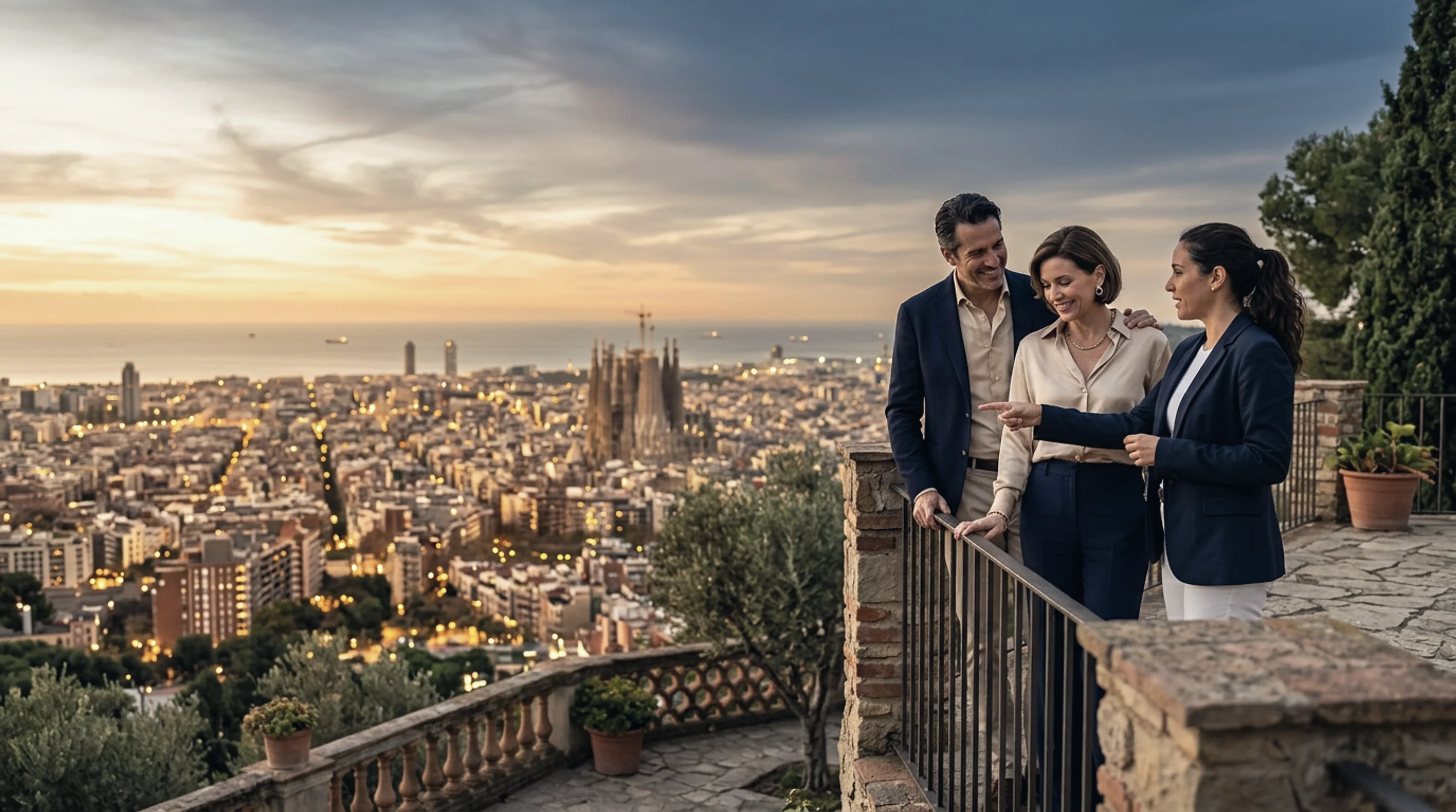
When comparing options, look at how the route moves. A walk from one nearby district to another can be pleasant. Several crossings across town can eat into the day. Ask whether the plan uses public transport, taxis, or walking only, and what that means for comfort. Watch for vague phrases such as "city highlights" if you want named stops and clear timing.
Pay attention to entry rules too. Some famous sites use timed tickets, security checks, or restricted access at certain moments. A plan should make clear whether entry is included, whether tickets are prearranged, and what happens if a site is closed. That kind of detail separates a useful plan from a loose suggestion.
Choose the format that suits your group
Private does not always mean the same thing. It may mean a walking outing, a vehicle-based day, a food-focused route, or a themed visit with a specialist focus. The right format depends on distance, comfort, and the level of attention you want.
Walking works well in central districts where streets are close together. It gives you time to notice details, but it asks more of your feet. A vehicle can help when the route includes hills, distant viewpoints, or several districts in one day. Food tours need a different approach again, with stops spaced so people are not eating constantly or rushing between venues.
Group size matters as much as format. A small group can move more easily through busy streets and pause without feeling awkward. A larger group may need clearer meeting instructions and more time at each stop. If you are comparing a family trip, a couples trip, or a trip with friends, think about how much freedom each person wants during the day.
Language is another practical point. Confirm the language used during the outing, especially if the group includes children or travelers with different levels of understanding. A tour can be beautiful on paper and still feel flat if the explanation does not land.
Compare providers on clarity, not just appearance
Once you know the kind of day you want, compare providers in a practical way. Look for a clear description of the route, the length of the outing, the meeting point, and what is included. A professional listing should let you understand the shape of the day before you make any commitment.
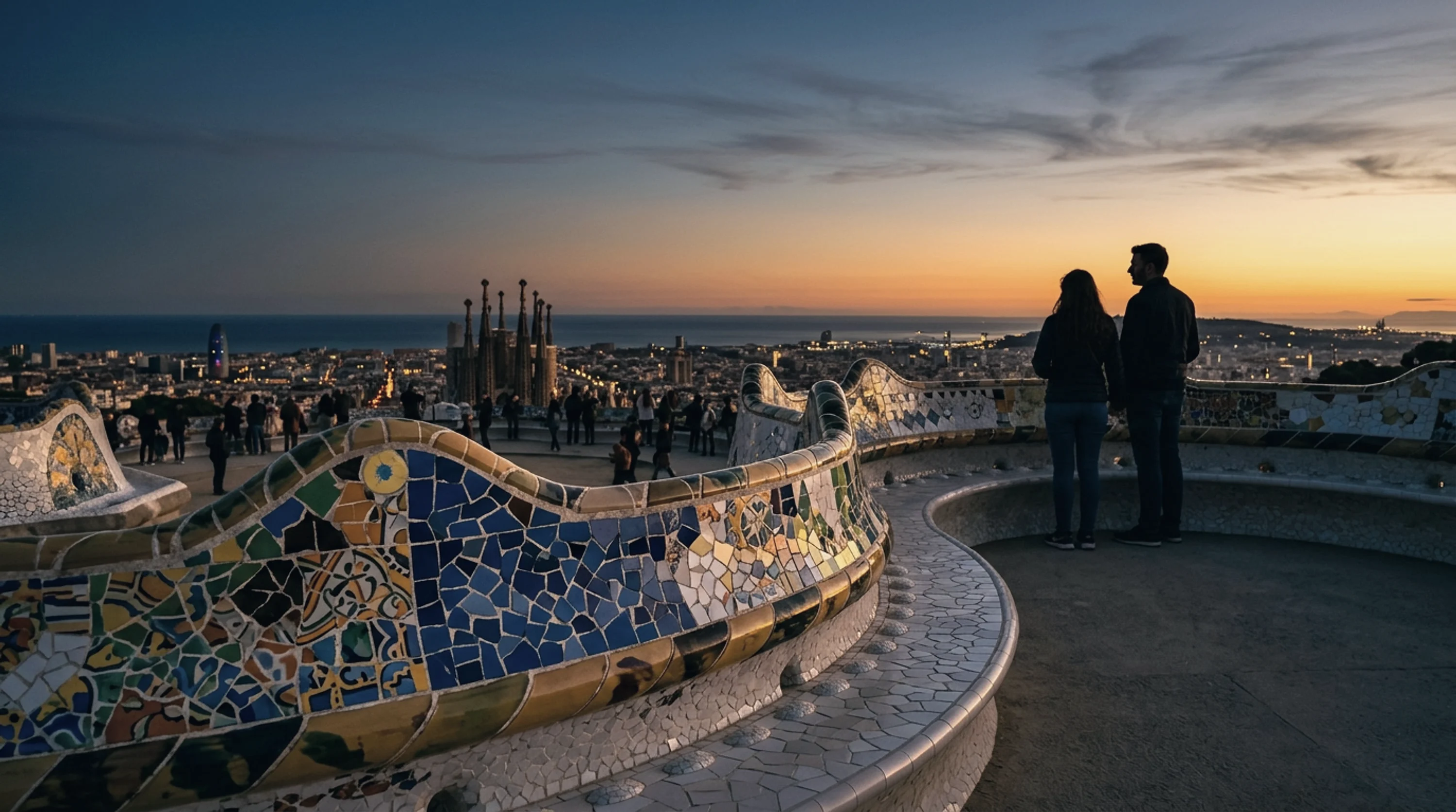
Useful signs include specific start locations, named areas, a stated duration, and plain language about exclusions. Watch for unclear wording around tickets, meals, transport, or free time. If a listing avoids details that would affect your day, ask before choosing. The aim is not to find a perfect sounding page, but to reduce surprises.
Brand names can be useful as reference points during research. Private Tour in Barcelona may appear while you are comparing options, in the same way that other names do. Treat any name as a starting point, then judge the actual plan against your needs. Private Tour in Barcelona official site is another phrase you may notice during that process, but the better test remains the fit between the route and your group.
Reviews can help, yet they should be read with care. Look for comments about pacing, communication, clarity, and how the day was organized. Be wary of praise that says nothing specific, or complaints that focus on things outside anyone's control. A pattern matters more than a single dramatic comment.
Check timing, access, and the small print
Barcelona can feel different depending on the hour. Early starts suit popular sites and quieter streets. Later starts may fit a city break with a slow morning. Evening routes can be atmospheric, but they may not suit venues with limited opening times. Match the hour to the purpose of the day instead of choosing a time that merely looks convenient.
Access deserves close attention. Historic streets can have uneven paving, steps, and tight corners. Some buildings have security procedures, lifts with limited access, or rules about large bags. If anyone in the group needs step-free movement or regular rests, raise that before booking. A route that cannot adapt may cause stress even if the sights are impressive.
Weather also shapes the decision. Barcelona has bright, warm periods when shade and water breaks matter. A route with little shelter can feel tiring in summer. A rainy day can make cobbled streets slippery, so footwear and pace become more important. None of this means avoiding the city in certain seasons, only that the plan should account for real conditions.
Before confirming, read the terms with the same care you would use for any travel arrangement. Check what happens if plans change, what the meeting instructions are, and whether the listed route is fixed or flexible. Ask how much time is spent inside sites and how much is spent outdoors. If the day includes food stops, check whether dietary needs can be handled in advance rather than assumed on the spot.
Make the final choice with a simple test
By the end of your research, narrow the choice down with a short test. A good private tour should answer four questions clearly: where you go, how long you spend, how you move, and what happens if something needs adjustment. If one option leaves any of those questions foggy, it is worth asking for clarification before you decide.
Then compare the plan against the purpose you set at the start. A history-focused day should not be crowded with photo stops. A family day should not depend on long explanations in every square. A first visit should leave room for orientation, not just famous landmarks. The best choice often feels balanced rather than packed.
Private Tour in Barcelona official site can be one reference during research, but the final decision should rest on the details that affect your day. Look at the route, the pace, the group fit, and the clarity of the arrangement. When those pieces line up, the result is a day that feels easy to follow and genuinely suited to the city, instead of a list of places rushed into a schedule.